
Keynote speakers
Theme 1. Genetic Landscapes of the Present
Focus: Assessing the current state of genetic diversity and structure across populations and ecosystems. Topics: genomic indicators of population health, adaptive variation, inbreeding and connectivity, eDNA for biodiversity monitoring, large-scale population genomics projects (e.g. Earth BioGenome).
Prof. Michael Hansen, Aarhus University, Denmark
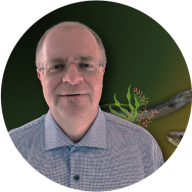
Professor Hansen is a core member of the Center for Ecological Dynamics in a Novel Biosphere (ECONOVO) at Aarhus University and teaches, among other courses, Conservation Genetics and Molecular Ecology at the university’s Department of Biology.
Prof. Hansen employs conservation and population genomics to analyse processes of speciation, demographic history, adaptation to local environments and potential for responding to climate change. With a focus on genome-wide variation, he is particularly interested in the effects of inbreeding and practical measures for their mitigation. Hansen’s research has often relied on fishes as models (specifically European eel, salmonids and three-spine stickleback). He has also studied invasive freshwater mussels, birds and insects. At ECONOVO, the focus is on large mammalian grazers, comparing systems of indigenous species and introduced feral species, with attention to conservation genetic status and capacity for climate change adaptability.
Theme 2. From Data to Decisions: Applying Genomics in Management
Focus: Translating genetic findings into concrete conservation actions. Topics: genetic rescue, assisted gene flow, translocation planning, reintroduction genetics, breeding program optimization.
Dr. Mirte Bosse, Wageningen University & Research, Vrije Universiteit Amsterdam, The Netherlands
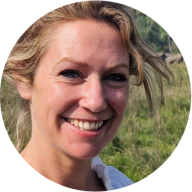
Dr. Mirte Bosse is Associate Professor at the Vrije Universiteit Amsterdam and leads various research projects in the Animal Breeding and Genomics Group at Wageningen University & Research.
Dr. Bosse works at the intersection of animal breeding and applied conservation genomics. She studies how evolutionary history shapes genomic variation, which in turn affects the genetic health and long-term viability of animal populations. Bosse then seeks to apply these fundamental genomic insights, particularly regarding genomic health, hybridization and adaptation, to real-world conservation and breeding challenges. By working closely with zoos and in-situ conservation actors, here whole-genome approaches translate well to conservation management. Her research acts on urgent needs for endangered species, including warty pigs, Asian elephants and red pandas. An active science communicator and outreach advocate, Bosse has inspired not just the early-career scientists under her supervision, but also the general public through media appearances, museum and zoo collaborations, and public lectures.
Theme 3. Predicting Futures: Genomics under Change
Focus: Using genomics and modelling to anticipate biodiversity responses to climate, land-use, and demographic pressures. Topics: adaptive potential forecasting, evolutionary rescue, forward simulations, integrating genomics into species distribution and demographic models.
Prof. Dr. Cock van Oosterhout, University of East Anglia, United Kingdom
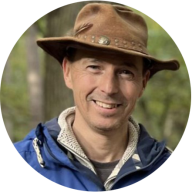
Professor Cock van Oosterhout teaches evolutionary biology and conservation genetics at the University of East Anglia’s School of Environmental Sciences and acts as Director of the Earth and Life Systems Alliance (ELSA), collaborating with researchers across Norwich Research Park (NRP).
Cock van Oosterhout is Professor of Evolutionary Genetics at the University of East Anglia and Deputy Director of the Earth and Life Systems Alliance. His research sits at the interface of evolutionary genetics, conservation biology, and genomics, with a particular focus on how small and fragmented populations lose genetic diversity, accumulate genetic load, and suffer from genomic erosion and drift debt over time. He combines population-genetic theory, whole-genome data, simulation modelling, and increasingly AI-assisted approaches to understand extinction risk, recovery potential, and the long-term genetic viability of threatened species. His work also explores genomics-informed captive breeding, genetic rescue, and the emerging role of genome engineering and biobanking in biodiversity conservation and restoration.
Theme 4. Restoration Genomics and the (European) Policy Landscape
Focus: Linking genomic science with restoration and policy frameworks such as the Global Biodiversity Framework, EU Nature Restoration Law and Biodiversity Strategy for 2030. Topics: defining and measuring genetic restoration targets, ecosystem resilience, genomic/genetic indicators for (EU) monitoring frameworks.
Dr. Christina Hvilsom, University of Copenhagen, Denmark
Dr. Hvilsom is based at the Section for HoloGenomics of the Globe Institute at the University of Copenhagen, Denmark, where her work spans the full pathway from biobanking to conservation genomics to biodiversity policy.
Dr. Hvilsom works at the science-policy interface, building on her conservation genomic work to steer in‑situ and ex‑situ conservation efforts. Advocating for evidence‑based decision‑making in conservation, she seeks to understand population genetic diversity through demography, adaptation and selection research, before transforming these insights into policy‑relevant indicators, practical management tools and species conservation strategies. Always keen to pioneer innovative connections between genomic science and global biodiversity strategies, Hvilsom has founded the EAZA Biobank, actively contributes to several IUCN SSC Specialist Groups such as the Conservation Genetics Specialist Group, and are involved in EU funded projects amongst others as coordinator of the EU Biodiversa+ project GINAMO advancing genetic indicators for the Convention on Biological Diversity and working with countries on their uptake and use.
Theme 5. Open session
The theme of this session will be decided upon when having received the abstracts from the participants (deadline April 30) but will likely focus on innovative aspects in the field.
Prof. Dr. Chris Funk, Department of Biology, Colorado State University, USA
Professor Funk is a leading evolutionary ecologist and conservation geneticist at Colorado State University, where he integrates genomics, ecology, and policy to address global biodiversity challenges.
As a founding member of the Coalition for Conservation Genetics and key contributor to the IUCN SSC Conservation Genetics Specialist Group and GEOBON, Prof. Funk played a pivotal role in shaping the 2022 Kunming-Montreal Global Biodiversity Framework, ensuring robust genetic diversity targets to safeguard species’ adaptive potential amid climate change. His work bridges science and policy, advising international bodies like the CBD and IPBES, as well as U.S. agencies such as the USFWS on integrating genomics into conservation strategies. Funk’s research—spanning amphibians, fish, reptiles, birds, mammals, and insects—focuses on climate resilience, adaptive divergence, and the genetics of infectious disease. He is also a driving force behind AmphibiaGen, a genomics initiative for amphibian conservation, and actively mentors the next generation of scientists.