
What Our Researchers Discovered This Year – and What They're Dreaming of Next
Science never stands still in our parks. Every day, researchers, keepers, vets and curators deepen their understanding of the animals we take care of and protect – both here and in their natural habitats. It’s time to reflect on a year of findings that truly impact animal welfare, conservation and species management. And, as always, our scientists are already looking forward, because there are still so many questions waiting for answers.
Looking back at the past year
The return of the Vietnamese pheasant: an international rescue mission
The Vietnamese pheasant has not been seen in the wild since the start of this century, but thanks to the international species conservation programme and accompanying reintroduction project, this remarkable bird is being given a second chance to survive in the forests of its native Vietnam. Antwerp ZOO’s Curator of Birds Jan Dams is involved in this project, which ranges from genetics and the development of a breeding centre to consultation with local authorities. The goal: to secure a sustainable future for this species in its original habitat.
👉 Read more: The ‘extinct’ Vietnamese pheasant flies home again
Family secrets revealed: determining paternity among chimpanzees
Last summer, researchers at the ZOO uncovered our chimpanzees’ family secrets: who fathered the young chimpanzee Zabari? Because female chimpanzees tend to mate with multiple males, the answer to a question like this is not always straightforward. Still, this information is essential for safeguarding a population’s health and genetic diversity. The DNA analyses also help researchers understand how hereditary diseases are passed on, and how chimpanzees differ genetically from bonobos.
👉 Read more: Family secrets revealed: DNA analysis identifies the father of chimpanzee Zabari
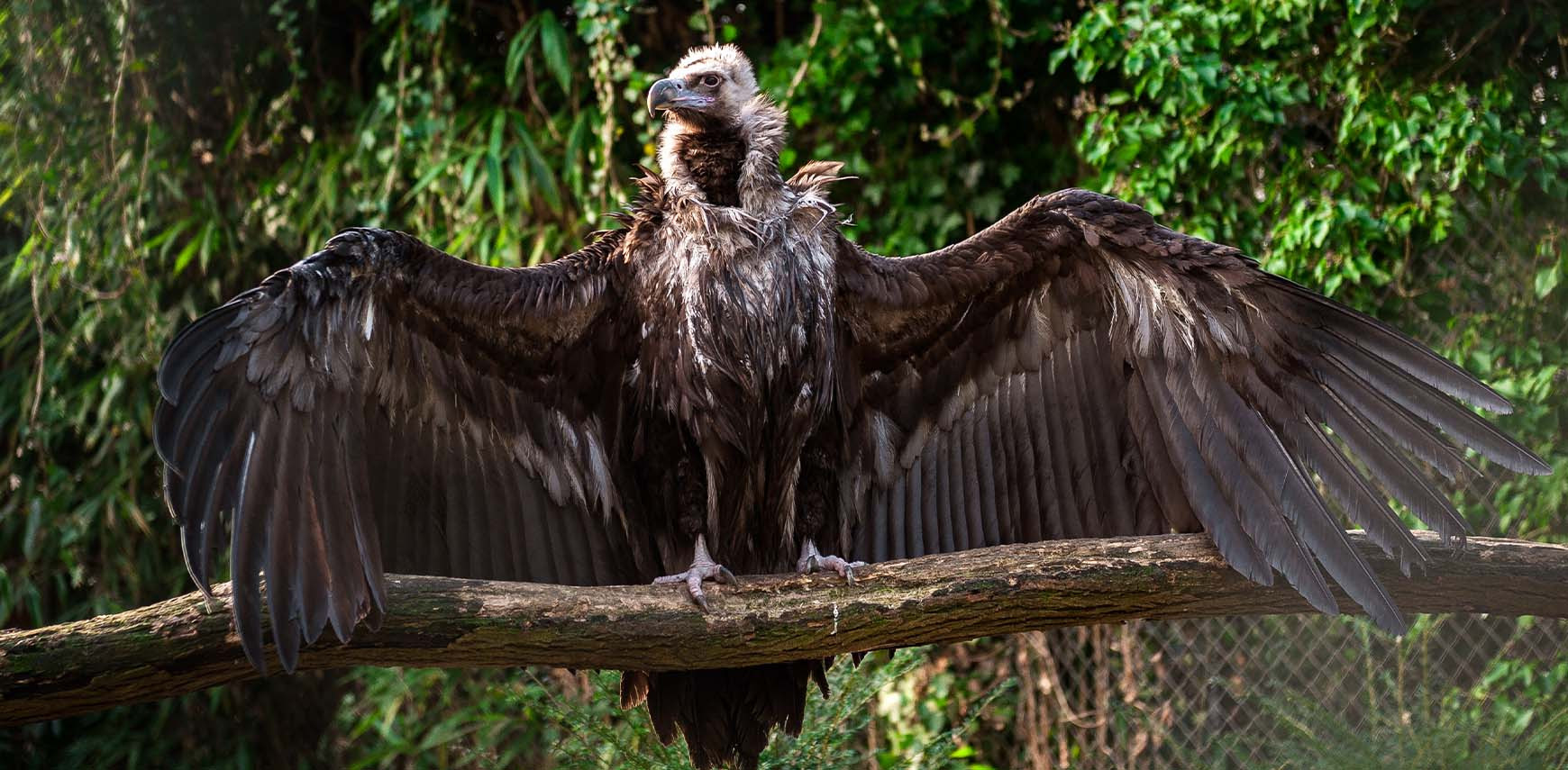
Bluetooth reveals social ties among cinereous vultures
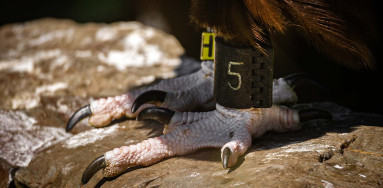
To better identify and predict breeding pairs among cinereous vultures, researchers at the ZOO focused on their social behaviour rather than genetics. Using Bluetooth loggers developed in-house, they tracked which birds preferred each other’s company – a strong indicator of successful pairings. This technology offers researchers new insights into the social life of cinereous vultures and how they respond to their environment.
A new future for the okapi in Congo
For many years, it was unclear whether any okapis still survived in the wild – and if there were any, exactly where to find them. Using camera traps, ZOO researchers provided convincing proof that this species is indeed still present in the rainforests of Congo. This breakthrough serves as the cornerstone of a new targeted conservation effort to protect the okapi and its natural habitat.
👉 Read more: World Okapi Day 2025 - In Search of New Conservation Prospects in Congo
Research as care: how to give all animals the best possible medical check-ups
This year, the ZOO’s vet Jonas Spruyt carried out a variety of medical examinations. These ranged from acute issues – such as with gorilla Thandie – to preventive checks aimed at the early detection of possible medical conditions. Giraffe Valeye, for example, was examined to determine why she was chewing unevenly and whether this posed a long-term health risk. Scans revealed a minor anomaly but showed no harmful effects. Whether this concerns the ZOO’s largest residents or its very smallest, every unusual change is thoroughly investigated to detect health issues at an early stage and ensure each animal receives the care it needs.
👉 Read more: A peek inside the head of an Asian lion: Yazar under the scanner
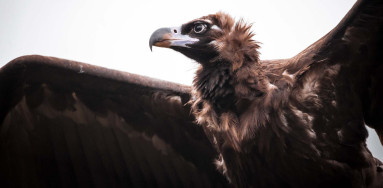
Another young cinereous vulture released into the wild
The last breeding season was particularly successful for the cinereous vultures at Planckendael ZOO. It was so successful that we were once again able to release a young cinereous vulture back into the wild. This contributes to the broader European recovery programme aimed at reconnecting the eastern and western populations. Following previous releases in France, Spain and Mallorca, Bulgaria was the next location. The upcoming release in Italy should help restore the species’ historic migratory routes.
What our researchers are looking forward to in the coming years
Looking back shows just how significant the impact of science already is today – but research never stops. Our scientists continue their work with new questions, new technologies and new ambitions. They always have one goal in mind: to better understand animals, protect them more effectively and give them the best possible care.
Mapping out elephant behaviour
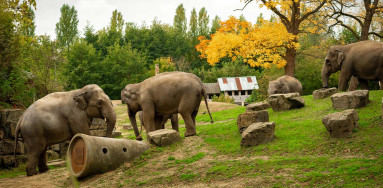
In the coming months, researchers will be monitoring our elephants day and night to see what they’re doing, where they are within their enclosure and which other elephants they interact with. By collecting this data over an extended period, we can analyse how social dynamics change from one season to another and under different conditions. The arrival of elephant bull Upali is a significant milestone: will his presence alter the group’s structure and the relationships between individual elephants? These insights will help optimise group housing and welfare for our elephants.
How are our cinereous vultures doing?
A new study will soon be launched to explore how behaviour and environmental factors contribute to the well-being of cinereous vultures. We will be investigating, for example, whether nest location, enclosure design and interaction between birds can predict which pairs are likely to succeed in the species conservation programme. By linking animal welfare directly to the success of the conservation project, researchers will gain a clearer understanding of what cinereous vultures truly need to reproduce. This knowledge should strengthen the entire European species conservation programme, in which Planckendael ZOO pays an important role.
Co-housers in the spotlight
We expect to receive the results soon of a long-term project in which Hamlyn’s monkeys, also known as owl-faced monkeys, were introduced into our gorilla enclosure. The study aims to determine whether both species will benefit from cohabitation through increased social stimulation or more natural behaviour. By carefully observing the behaviour and well-being of both species, we hope to find out whether mixed-species enclosures will result in a win-win situation, and under which conditions they work best. This knowledge can help guide future decisions concerning enclosure design and environmental management.
Science continues to evolve
Over the past year, we gained new insights into genetics, behaviour, conservation and veterinary medicine. This knowledge benefits not only our animals but also nature conservation in an even broader sense. At the same time, researchers observed one constant: every question answered leads to the emergence of new ones. That’s why our scientists continue to explore, measure, analyse and observe – with one goal in mind: to better understand animals, protect them more effectively and give them the best possible care – today and in the future.