Stories

  1. How to Re-home an Elephant?

    How to Re-home an Elephant?

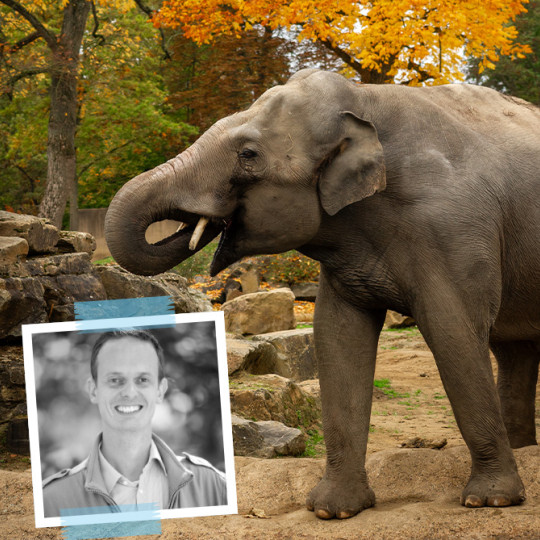
    In autumn 2025, Planckendael ZOO became home to a new bull elephant. Upali’s arrival was crucial to the European species conservation programme that safeguards the genetic diversity of this endangered species. However, introducing a new bull to an existing herd is rarely straightforward, especially if you’re dealing with a species that literally weighs tonnes and has an exceptionally complex social structure.

    Read more
  2. Why Do Female Mammals Outlive Males?

    Why Do Female Mammals Outlive Males?

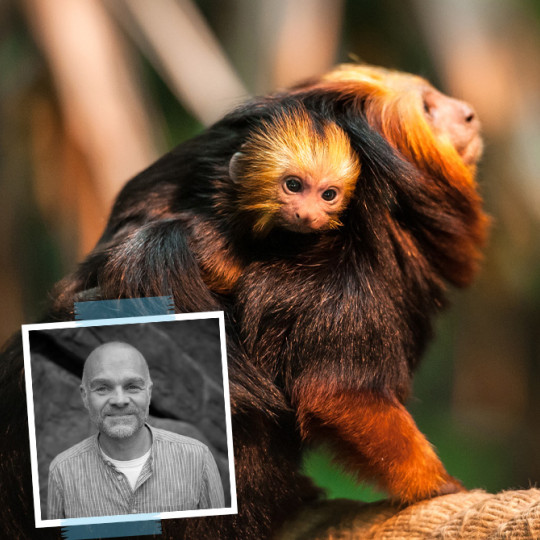
    It is common knowledge that women tend to live longer than men. This is true not only for humans, but for mammals in general. However, the reason behind this remained unclear for a very long time. Although we knew there was a difference in lifespan, we didn’t know what caused it: behaviour, environment or biology? An international team of biologists, including scientists from Antwerp ZOO, has now examined this topic as part of a large-scale research project.

    Read more
  3. A Look Inside the Head of an Asiatic Lion: Yarzar Under the Scanner

    A Look Inside the Head of an Asiatic Lion: Yarzar Under the Scanner

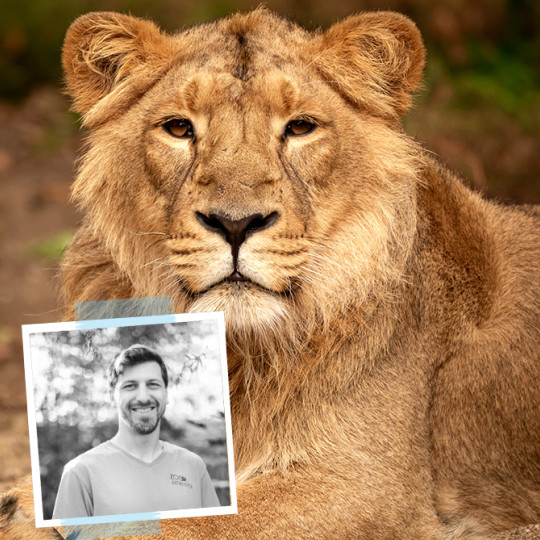
    Asiatic lions are extremely rare, and highly vulnerable. Only about 350 remain in the wild. This makes the species particularly at risk, and maintaining a healthy reserve population in zoos is vitally important. Every Asiatic lion plays a crucial role in safeguarding the future of the species. At Planckendael ZOO, we do everything we can to protect these endangered big cats. That’s why young Yarzar recently underwent an extensive medical examination, including both an MRI and a CT scan.

    Read more
  4. The Cows of the Reef Graze in 3D

    The Cows of the Reef Graze in 3D

    Herbivorous fish in the wild spend hours grazing on algae. Rather than eating one meal at a time, they take hundreds of small bites throughout the day. In an aquarium, this behaviour is harder to encourage because food is usually offered at set time. To promote this natural grazing behaviour, scientists at Antwerp ZOO examined a new form of enrichment: a 3D-printed feeding structure that encourages fish to search for and nibble at food in a way that closely mirrors their natural feeding habits.

    Read more
  5. A Frozen Treasure Trove for Science

    A Frozen Treasure Trove for Science

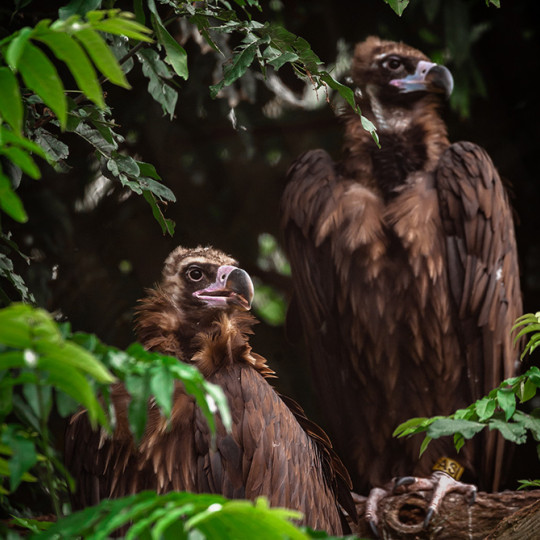
    Few people are aware of the extensive scientific research carried out behind the scenes at Antwerp ZOO and Planckendael ZOO. Every day, scientists are at work here on studies conducted into animal behaviour, health and well-being: from DNA analyses to determine paternity in chimpanzees to genetic research on the Vietnamese pheasant and cinereous vulture and fish welfare assessments. Hidden among the operating theatres, analytical equipment, observation rooms and laboratories is a space that plays a decisi

    Read more
  6. World Okapi Day 2025: In Search of New Conservation Prospects in Congo

    World Okapi Day 2025: In Search of New Conservation Prospects in Congo

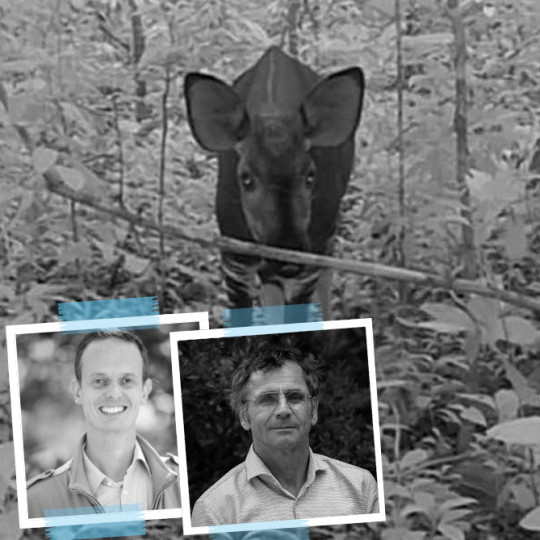
    The okapi – a mysterious inhabitant of Congo’s forests – has been inextricably linked to Antwerp ZOO ever since 1919. Today this link remains as strong as ever. Together with its conservation branch, the Antwerp Zoo Foundation (AZF), Antwerp ZOO continues to fight for the survival of the okapi. Its efforts are now expanding to a new part of the okapi’s natural habitat: the Rubi-Télé region in Congo. A feasibility study is currently being carried out to explore how okapis in the wild can be better protected.

    Read more
  7. Family secrets revealed: DNA analysis identifies the father of chimpanzee Zabari

    Family secrets revealed: DNA analysis identifies the father of chimpanzee Zabari

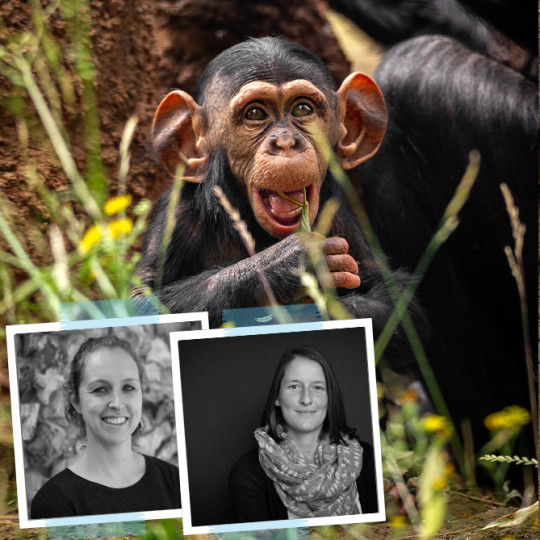
    How do you work out who fathered a baby chimpanzee when there are five adult males in the group? And why does it matter? A single hair sample and DNA analysis not only establish paternity, but are also crucial for breeding policy, parentage studies and genetic management in the European breeding programme. Find out how genetic material is collected, analysed and interpreted at Antwerp ZOO.

    Read more
  8. Support for mythic Przewalski’s horses endangered by floods in Kazakhstan

    Support for mythic Przewalski’s horses endangered by floods in Kazakhstan

    After decades of preparation, Przewalski horses - the last remaining wild horses on Earth - are returning to their original habitat in central Kazakhstan where they had been extinct since the 1960s. That reintroduction was jeopardised this spring by unprecedented flooding: the Uly Zhylanshik river rose five metres due to sudden thawing, linked to climate change. The reintroduction centre was badly damaged, but the animals and their keepers remained unharmed.

    Read more
  9. Coral reefs in crisis:

    Coral reefs in crisis:

    Global warming is putting pressure on our oceans, and with them everything that lives below their surface. Corals in particular: 8 out of 10 reefs worldwide have been affected by coral bleaching, due to rising water temperatures and water acidification. At ZOO Antwerp, we are actively building solutions: with one of the largest reef aquariums in Europe, we breed corals ourselves, share knowledge and support restoration projects in nature.

    Read more
  1. 1
  2. 2
  3. 3
  4. 4
  5. 5
  6. Volgende