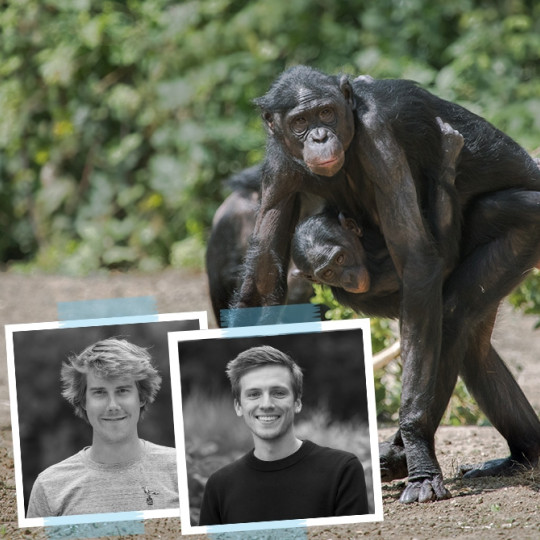
Bonobos versus man
Advanced research on bonobos could teach us a great deal about humans. Scientists at Planckendael ZOO are currently trying to fathom out how bonobos cooperate with each other and how their emotions can influence their decisions.

Advanced research on bonobos could teach us a great deal about humans. Scientists at Planckendael ZOO are currently trying to fathom out how bonobos cooperate with each other and how their emotions can influence their decisions.
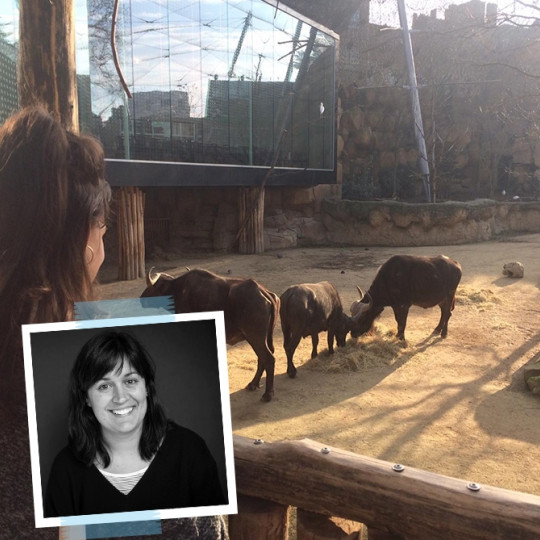
Animal welfare is high on our agenda, that’s why we have our own animal welfare scientist. Her job is to initiate, develop and conduct zoo-based research projects aimed at better understanding the welfare state of the animals in our care.
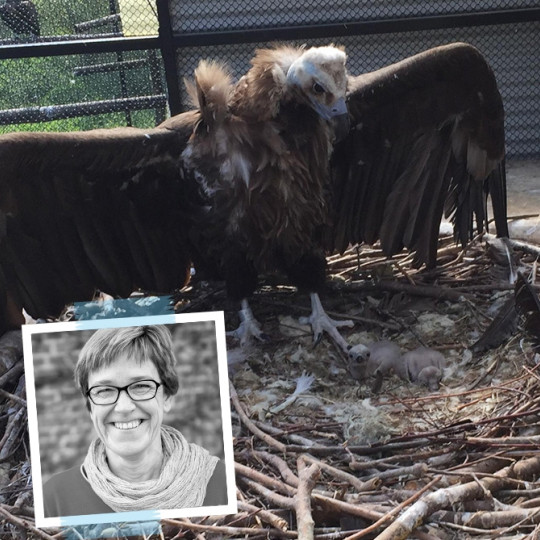
First ever pair of black vultures to adopt two chicks at once. Scientists from Antwerp ZOO & Plankendael ZOO have also succeeded in analysing DNA from dried out blood vessels in a hatched egg shell of a black vulture.
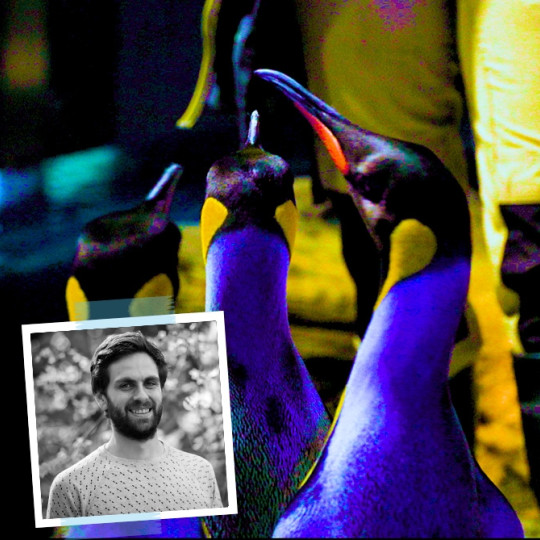
Penguins, and other birds, see differently to us. Thanks to installing special lighting, the sexually mature penguins at Antwerp ZOO are now able to see the purplish areas on each other's beaks. This should result in better matched pairs and encourage breeding success.
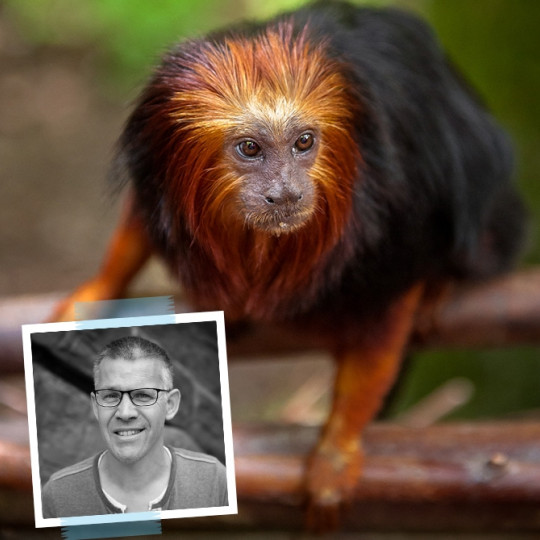
We have started a study, together with VITO, on the impact of climate change on biodiversity. We are developing new tools and collecting climate data to study the impact on golden-headed lion tamarins in Brazil.
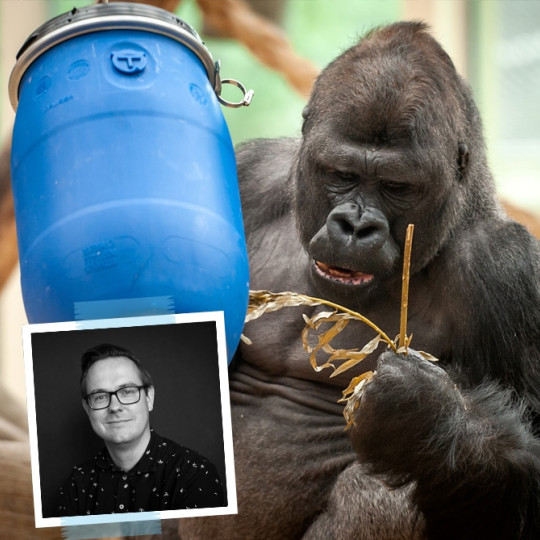
Nutritious winter leaves for our animals are difficult to get. To find out whether more nutrients are retained by ensiling willow leaves than by current alternatives for feeding our gorillas, we have joined up with of Odisee University College.
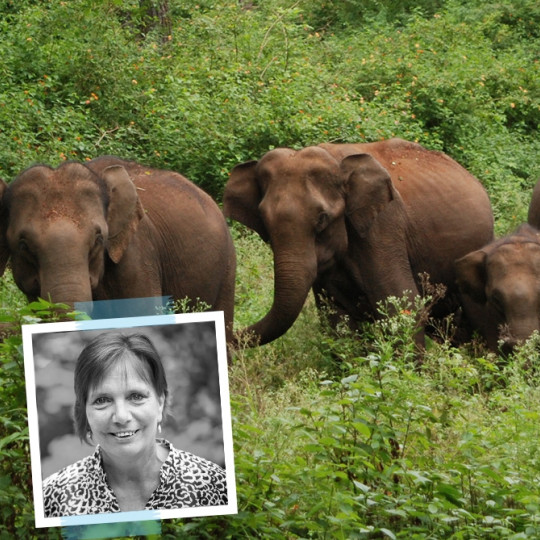
Our parks aren’t the only place where we do all we can to improve living conditions for Asian elephants. We also support expanding their territory in the wild. In India, we’re helping move farmers, so that elephants have free passage.
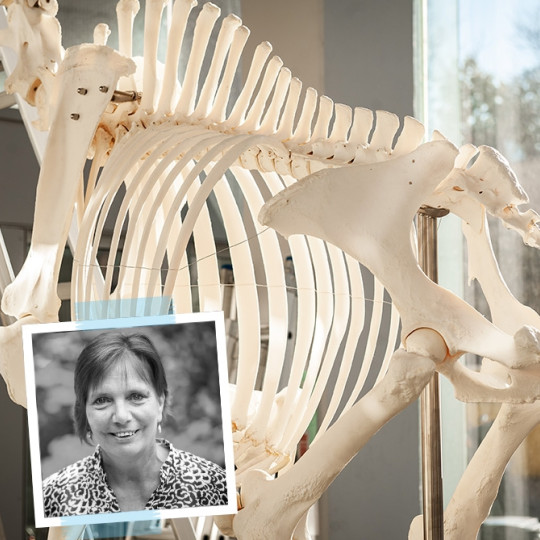
Science, nature and education are the three major pillars our founders envisioned. In light of that, the skeleton of a deceased giraffe is being reassembled at the University of Antwerp, so that students can use it.
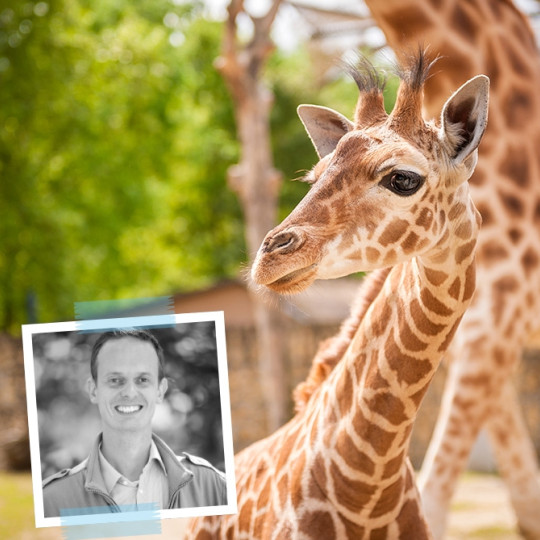
The trade, among other things, in the tail of the Kordofan giraffe has resulted in this subspecies being included in the IUCN’s red list of critically threatened animals. In other words this subspecies faces an extremely high threat of extinction. At present only about 1,900 Kordofan giraffe still survive.
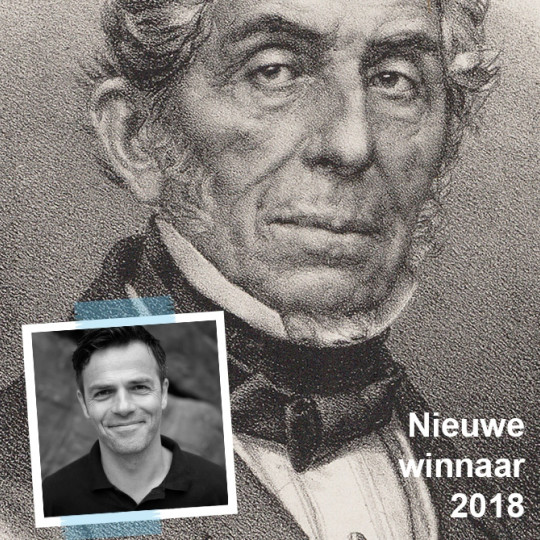
Every year we honour an innovative master’s dissertation in zoology. Even so taking part in the Jacques Kets Award is not just about winning a prize. Finalists also learn how to explain their scientific work in just a minute’s time.
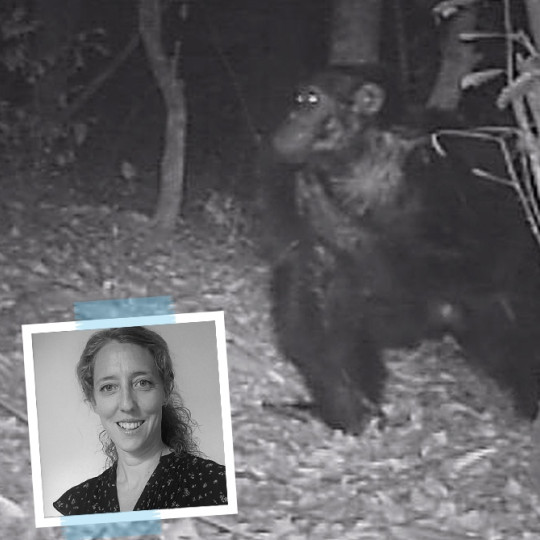
Chimpanzees adapt their sleeping habits to changes in their surroundings. That is one of the conclusions of our large-scale study in Africa. Knowing about sleep helps us protect apes and gives us better insight into our own sleeping habits and evolution.
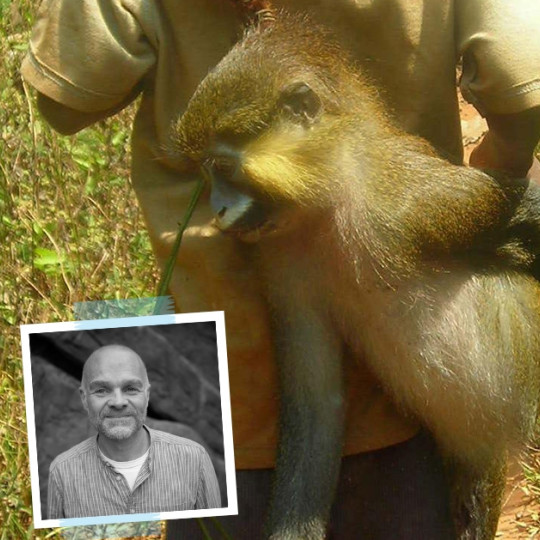
Hunting bushmeat in Africa is a major problem. With our Grands Singes project in Cameroon we are combining scientific research with raising awareness among the local population. We offer them alternatives to hunting endangered forest animals.