
In Search of the Holy Grail of Animal Welfare
Antwerp ZOO and Planckendael ZOO are more than places where animals live and visitors marvel. Scientists, veterinarians, and animal care staff are actively engaged in animal welfare and research 365 days a year. From studying the behaviour of great apes and monitoring emotions to veterinary care and genetic research, behind the scenes we are constantly working to improve our understanding of animals and the care we provide for them.
This expertise also plays a significant role on the international stage. Antwerp ZOO and Planckendael ZOO were among the founding members of EAZA, the European Association of Zoos and Aquaria, and continue to be a driving force today, coordinating various species conservation programmes and contributing to scientific research.
This was recently demonstrated once again during two conferences that brought together researchers and veterinarians from across Europe around one central question: how can we better understand and care for animals?
Assessing Animal Welfare
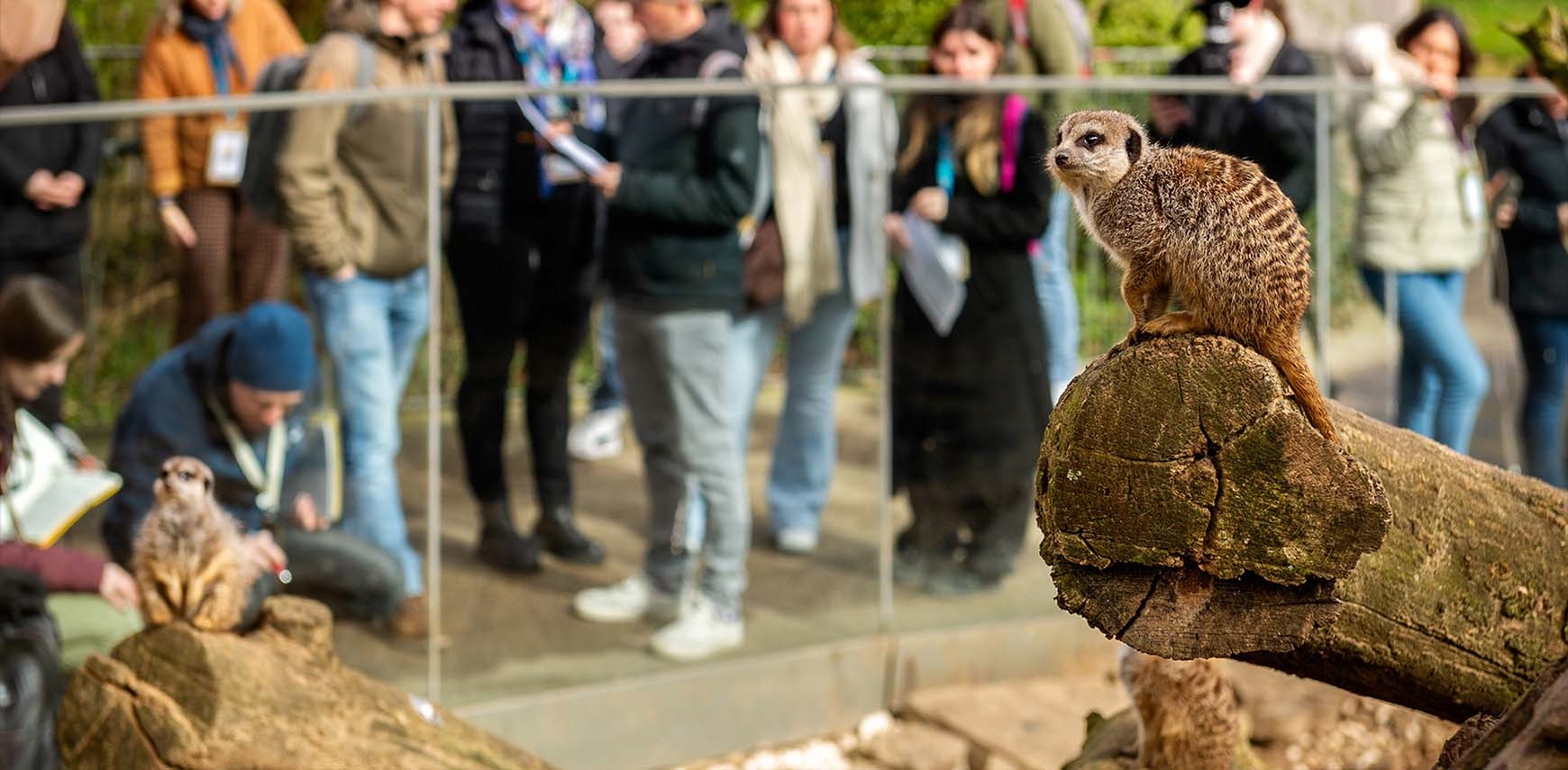
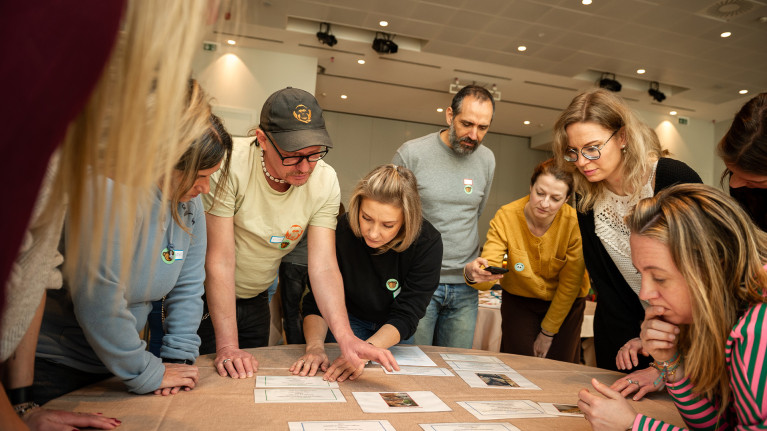
During the biennial EAZA Animal Welfare Forum, more than 200 participants from 34 countries gathered at Antwerp ZOO. Researchers and experts from zoos and research institutions exchanged knowledge on animal welfare: a field of research centred on the question of how animals feel and how this can be measured objectively.
This question is not only a focus for the research team at Antwerp ZOO, but also formed the core of the international knowledge exchange during the forum. Through workshops and lectures, it became clear that welfare goes beyond physical health alone. Behaviour, physiology, and context all play a role.
‘Participants learned how to measure welfare in a wide variety of animal species,’ says Zjef Pereboom, manager of the research institute at Antwerp ZOO. 'This included less-studied groups such as reptiles, birds, and insects.'
‘Being able to measure how animals feel is the holy grail of animal welfare research,’
One of the central themes was measuring emotions in animals. ‘Being able to measure how animals feel is the holy grail of animal welfare research,’ Zjef continues. Precisely because emotions cannot be observed directly, researchers look for indirect indicators, such as behavioural changes or physiological parameters. ‘The insights gained from this help zoos further refine their animal care and make informed decisions.’
From Theory to Practice
While the welfare forum focused on concepts and methods, the conference for zoo veterinarians brought that knowledge into daily practice. At the A Room with a ZOO conference centre, 90 veterinarians from Belgian and Dutch zoos gathered to discuss specific medical cases.
The variety of topics illustrated the broad expertise within the field. From tusk fractures in elephants and orthopaedic surgeries in birds to contraception in hamadryas baboons and respiratory diseases in reptiles, each case offered insight into the specific challenges of veterinary medicine in a zoo context. Veterinarian Jonas Spruyt also shared his own experiences, including surgical procedures and applying casts in gorillas.
‘The strength of these kinds of gatherings lies in the exchange between colleagues,’ says Jonas. ‘Veterinarians often work with unique animal species and rare conditions. By sharing experiences, we collectively build knowledge that strengthens animal care in all participating zoos.’
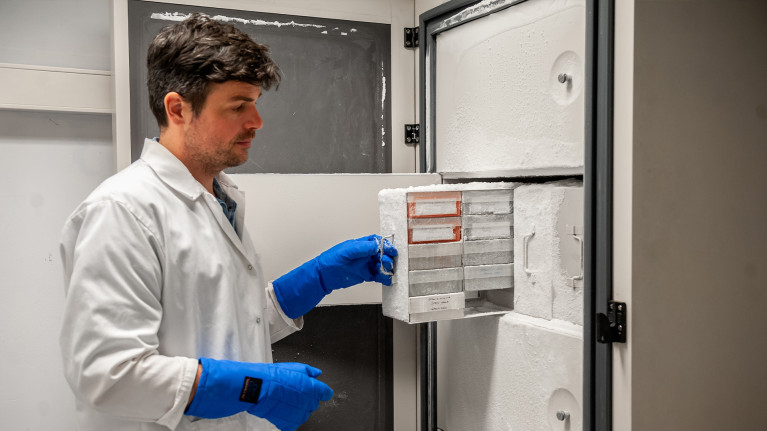
A visit to the Antwerp ZOO Biobank was a key part of the programme. Here, biological samples from animals in European zoos are carefully preserved. This collection serves as a crucial resource for scientific research.
For many veterinarians, the visit made the link between sample collection and research tangible. What begins as a routine check-up can grow into valuable data that contributes to animal health and long-term conservation.
A Shared Responsibility
Both conferences demonstrate how zoos today function as international knowledge networks. By pooling expertise and sharing research, they build on existing collaborations that are essential for high-quality animal care.
Antwerp ZOO plays an active role in this, both as host and as a substantive partner. What is shared here translates into concrete applications in daily practice and contributes to future insights into animal welfare, veterinary medicine, and conservation.